
Role of Nutrient-Dense Laddoos in Neuro Physiotherapy & Brain Recovery

Abstract
Neuro physiotherapy focuses on restoring movement, coordination, and functional independence in individuals with neurological impairments such as stroke, Parkinson’s disease, and cerebral palsy. Alongside rehabilitation exercises, nutrition plays a critical role in neuroplasticity, recovery, and functional outcomes. Traditional Indian laddoos—especially those made with dry fruits, seeds, and medicinal herbs—can act as nutrient-dense neuro-supportive foods. This article explores the scientific linkage between neuro physiotherapy and laddoo-based nutrition.
1. Introduction to Neuro Physiotherapy
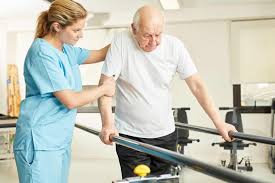
Neuro physiotherapy is a specialized branch of rehabilitation aimed at treating disorders of the nervous system. It helps improve:
Movement and coordination
Muscle strength
Balance and functional independence
It works by stimulating neural pathways and promoting neuroplasticity—the brain’s ability to reorganize and form new connections. �
cbphysiotherapy
2. Importance of Nutrition in Neuro Rehabilitation
Recent research in neuronutrition shows that diet significantly impacts recovery outcomes in neurological patients.
Key findings:
Nutrition influences brain plasticity and recovery after stroke �
PMC
Antioxidant and anti-inflammatory nutrients support neuroprotection and repair �
ScienceDirect
Poor nutrition can delay rehabilitation and worsen outcomes
Nutrients particularly important:
Omega-3 fatty acids
Proteins (for muscle + neural repair)
Polyphenols (anti-inflammatory)
Micronutrients (iron, magnesium, zinc)
3. Laddoos as Functional Neuro-Nutrition
Traditional laddoos—when made correctly—are not just sweets but compact therapeutic nutrition units.
Typical Ingredients & Neuro Benefits
Ingredient
Neuro Benefit
Almonds, walnuts
Improve cognition, provide healthy fats
Gond (edible gum)
Supports tissue repair
Seeds (flax, pumpkin)
Omega-3 → neuroplasticity
Jaggery
Natural energy for brain metabolism
Ghee
Supports neuronal membrane health
Herbs (ashwagandha, shatavari)
Neuroprotective, stress reduction
Scientific alignment:
Nutraceuticals can target multiple neuroprotective pathways �
PubMed
Anti-inflammatory foods help reduce brain stress and neurodegeneration risk
4. Role of Laddoos in Neuro Physiotherapy Patients
A. Stroke Rehabilitation
Provides high-calorie, easy-to-eat nutrition
Supports recovery of muscle mass and neural pathways
Helps counter malnutrition (common in stroke patients)
B. Parkinson’s Disease
Energy-dense foods help manage fatigue
Antioxidants reduce oxidative stress
C. Pediatric Neuro Conditions (e.g., Cerebral Palsy)
Supports brain development and growth
Helps improve overall nutritional status, critical for therapy success
D. Elderly Neuro Rehab
Easy digestion + high nutrition
Helps maintain cognitive and physical strength
5. Integration with Neuro Physiotherapy Protocol
A combined approach works best:
Neuro Physio Component
Laddoo Support
Muscle strengthening
Protein-rich laddoos
Balance training
Energy + micronutrients
Neuroplasticity exercises
Omega-3 & antioxidants
Long rehab sessions
Sustained energy release
Evidence suggests that nutrition + rehabilitation together improve outcomes more than therapy alone �
PMC
6. Practical Recommendation (Clinical Use)
1–2 laddoos per day depending on patient condition
Customize based on:
Diabetes (low jaggery)
Protein need (more nuts/seeds)
Post-surgery (soft texture)
7. Limitations & Considerations
Not a replacement for medical nutrition therapy
Requires personalization
Overconsumption may lead to excess calories
Conclusion
Neuro physiotherapy and nutrition are deeply interconnected. Scientific evidence clearly shows that diet influences brain recovery, neuroplasticity, and rehabilitation outcomes. Traditional laddoos, when formulated scientifically, can act as power-packed neuro-nutritional supplements, bridging the gap between cultural food practices and modern rehabilitation science.
