
How Chanakya Might Have Developed Great Leaders with Poshan Potli Laddoos

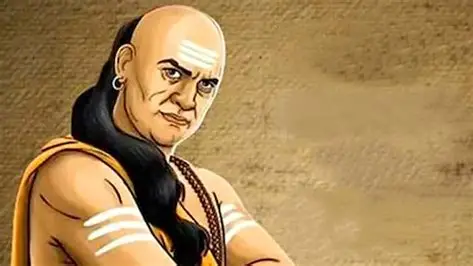
More than two thousand years ago, Chanakya believed that great nations are built by strong leaders and disciplined citizens. In his teachings described in the Arthashastra, he emphasized education, strategy, discipline, and physical strength as the pillars of leadership.
If Chanakya were guiding rulers and leaders in today’s democratic world, he would still focus on developing strong minds, healthy bodies, and ethical leadership. Nutrition would be an important part of this development.
In that context, something simple like Poshan Potli laddoos could symbolize the idea of nourishing future leaders from childhood.
1. Nourishing the Mind of Future Leaders
Chanakya believed that a sharp mind requires discipline and balance. Leaders must be able to think clearly, analyze situations, and make wise decisions.
Nutritious foods rich in natural ingredients support physical health and mental focus. If children grow up with healthy food habits, they are more likely to develop the energy and concentration required for learning and leadership.
In this way, Poshan Potli laddoos could represent the nourishment of young minds who may become tomorrow’s leaders.
2. Building Discipline Through Daily Habits
Chanakya strongly believed in the power of daily discipline. Small habits practiced every day eventually create strong character.
Healthy eating is one such habit. When families and schools encourage nutritious foods instead of unhealthy snacks, children learn self-control and mindful choices.
A simple routine of eating nutritious snacks like Poshan Potli laddoos can symbolize the idea that discipline begins with everyday actions.
3. Strengthening Society from the Ground Up
Chanakya’s vision was not limited to kings alone. He believed the strength of a kingdom comes from the well-being of its people.
In a modern democratic society, every citizen plays a role in building the nation. Healthy children grow into capable adults who can contribute to society through knowledge, innovation, and service.
Encouraging nutritious traditional foods can therefore become a small but meaningful step toward creating a healthier and more productive society.
4. Promoting Cultural Wisdom in a Modern World
Chanakya valued local resources and practical wisdom. Traditional foods developed over centuries often reflect this understanding of balance and nourishment.
By promoting foods made from natural ingredients and traditional recipes, Poshan Potli laddoos can represent the blending of ancient wisdom with modern life.
This approach helps preserve cultural heritage while addressing modern health challenges.
5. From Healthy Children to Responsible Leaders
Chanakya mentored Chandragupta Maurya, shaping him into a ruler who transformed the political landscape of ancient India.
In today’s democratic world, leadership emerges not only from royal families but from schools, universities, and communities. Children who grow up healthy, disciplined, and educated can become responsible leaders in government, business, and social institutions.
Nutritious foods like Poshan Potli laddoos can serve as a small reminder that the journey to leadership begins with care for the body and mind.
Conclusion
Chanakya’s philosophy teaches that great nations are built slowly through wisdom, discipline, and strong citizens. While strategies and governance systems may change over time, the importance of health and balanced living remains constant.
In a symbolic way, something as simple as a nutritious laddoo can represent a larger idea:
that nurturing the next generation with care and wisdom is the foundation of a strong and responsible society.
