

The Love of Yashoda and the Spirit of Poshan Potli Laddoos

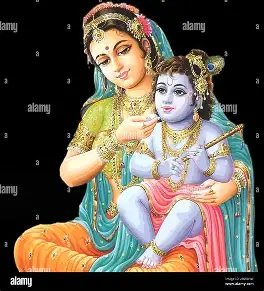
In the stories of Krishna, one of the most beautiful relationships described is between Krishna and his foster mother, Yashoda. Her love, care, and nurturing nature have made her a timeless symbol of motherly affection and nourishment.
Yashoda did not just raise Krishna; she cared for him with deep devotion, ensuring that he grew strong, joyful, and healthy. This nurturing spirit creates a meaningful symbolic connection with the idea behind Poshan Potli laddoos.
1. A Mother’s Love Through Food
Many traditional stories describe how Yashoda lovingly prepared food for young Krishna. She believed that a growing child should receive fresh, nourishing food made with care.
Food prepared by a mother’s hands has always represented more than just nutrition—it reflects love, protection, and emotional connection.
Poshan Potli laddoos represent this idea. They symbolize small bundles of nourishment prepared with the intention of strengthening children and families.
2. Nourishing a Playful and Energetic Child
Krishna as a child was full of energy and curiosity. He spent his days playing with friends, exploring nature, and spreading joy in the village.
Such an active childhood requires energy and proper nourishment. In traditional households, foods made from natural ingredients—such as grains, nuts, and jaggery—were commonly prepared to give children strength.
Poshan Potli laddoos reflect the same philosophy: simple foods that provide natural energy for active and growing children.
3. The Tradition of Homemade Nutrition
Yashoda represents the tradition of home kitchens where nutritious foods are prepared with care and wisdom passed down through generations.
These traditional recipes often used natural ingredients that balanced taste and health.
Poshan Potli laddoos follow this cultural heritage by bringing together wholesome ingredients that aim to support everyday nourishment.
4. Food as an Expression of Care
One of the reasons Yashoda is loved in stories is because she cared deeply for Krishna’s well-being. Feeding a child well was one of the ways she expressed her love.
Even today, families express care and affection by ensuring that their loved ones receive healthy food.
Poshan Potli laddoos symbolize this everyday act of care—offering nourishment that supports health and happiness.
Conclusion
The story of Yashoda and Krishna reminds us that true nourishment begins with love and care. A mother’s attention to her child’s well-being plays a powerful role in shaping a healthy and joyful life.
In a symbolic sense, Poshan Potli laddoos represent this nurturing tradition—small portions of nourishment that carry the spirit of care, health, and family connection.
Just as Yashoda lovingly cared for Krishna, thoughtful food choices today can help nurture the strength and happiness of future generations.
